On statements

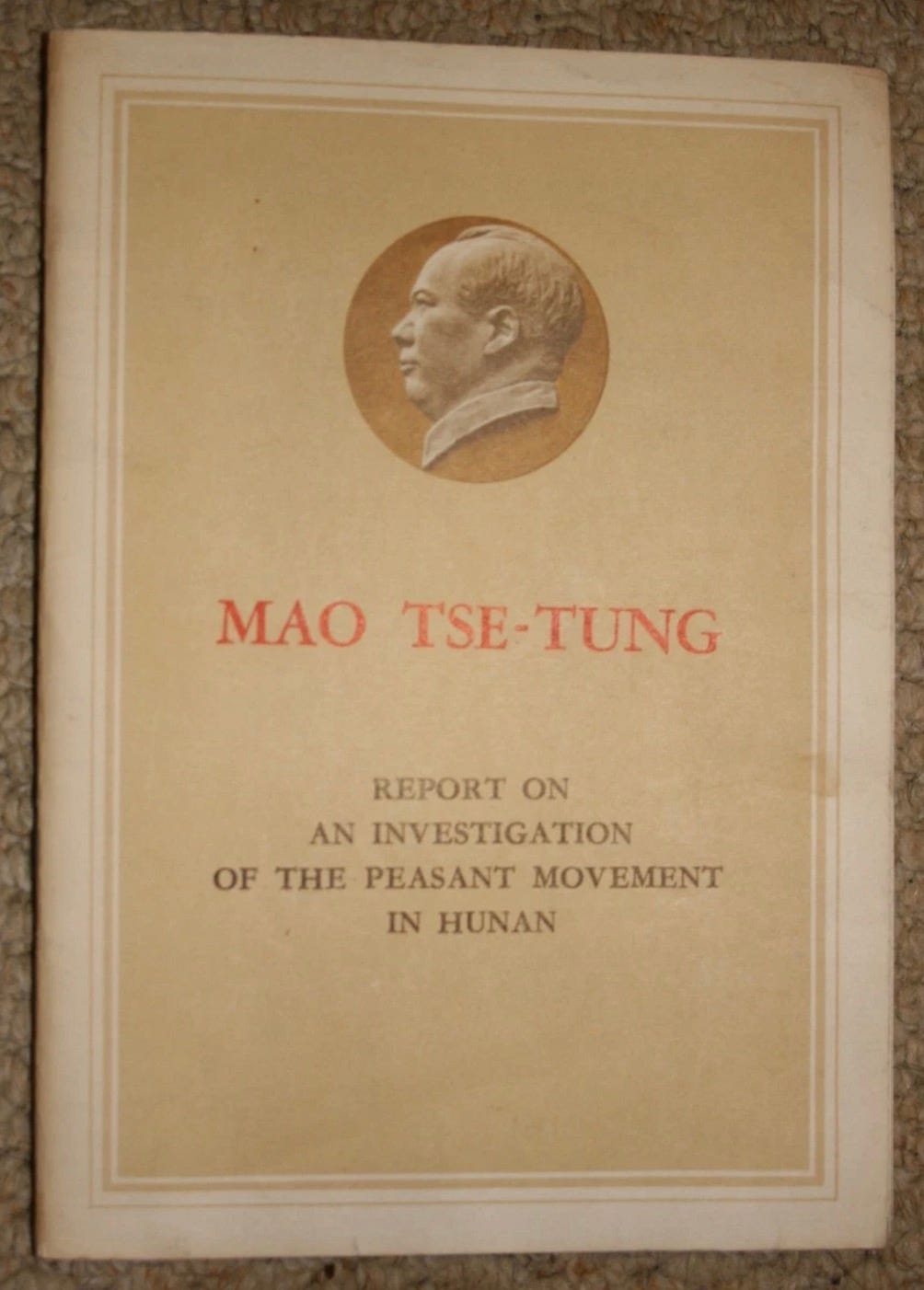
Mao Zedong, in his statements, talked about peasantry being the main force of Chinese revolution. Peasantry, and not the urban proletariat was the main character - in a stark contrast both to classic Marxism, and to the mainstream Marxism-Leninism of the era.
Why? What was even his point?
Surface reading: he was waging an abstract theoretical discussion, academic style, and made an abstract statement of abstract truth.
Actual reading: no, it was not some kind of theorising into the void. It was a tactical move, a verbal attack & a counter-attack that makes sense only in the context of the intraparty power struggle of the 1920s - early 1930s.
Mao was an early member of the Kungchantang, but he was a lowly, rather inconspicuous member. From its very beginnings, the party had tons of people who were of much higher status, better educated, and originally came from the much higher social standing than a rural bumpkin Mao.
Mao was a son of a kulak, rich by the standards of his poor & backward village. His (relative) privilege made him tower above the true masses of unwashed peasantry. Unlike them, he finished a school, he could read and write, and he did, indeed, read extensively. From the perspective of the children of the soil, he was highly sophisticated, a man of culture.
But he was infinitely below those, who, in that day and age, comprised the backbone of the Chinese communist party. For these sons of the urban rich and of mandarins, a kulak’s son was something akin to a redneck, or a hillbilly. Barely educated. Weird provincial accent. No social polish, no manners, funny personal habits. Never read theory, and he of course could never hope to read theory in original, as many and many of them did. For the early leaders of the CCP, he was an unwashed peasant.
The very idea of such a man laying a claim on the leadership, would be absurd, ridiculous, to the original bosses of Kungchantang. Absolutely beyond the limits of acceptable. To them, he was barely above a rural bandit, fighting for the Reds - who can serve the Reds, but can never participate in governance, and can be disposed off at will, whenever necessary. A cheap, disposable material, or barely above that.
So, when the tides started changing, and Mao’s profile did start rising - for the first time - that of course triggered a violent reaction from the better educated, more urbane (and more Marxist) leaders of the Party. And that, among other things, included a verbal attack against Mao. As the head of the Party, Bo Gu put it:
Communism will not come from the hills
Shut up, you, stupid hillbilly. Go back to the Appalachians. It is up to the urban proletariat to execute the revolution, and it is for the urban intelligentsia to lead it. Leadership is for the highly credentialed, urbane, sophisticated, and, of course, well read in theory. Unwashed rednecks from the mountains have nothing to do with it all.
Once again. When Bo Gu is saying, Communism cannot come from the hills, he is not doing some kind of abstract rant about theory. He, in fact, is not theorising at all, it is very important to understand it. He is waging a very precise, well-targeted personal attack against Mao Zedong, denying him his share in the leadership of the party.
Hint. Much of what we now retrospectively perceive as ‘theorising’ was in fact some kind of personal attack about this or that political opponent or competitor. Not so much a discussion about the abstract truth, as the vicious bullying and abuse thinly veiled in some kind of ‘theoretical’ language.
Now to answer that, to deflect the attack and make his own counterblow, Mao puts forward his own statement. The peasantry, he says, is the main force of Chinese revolution, specifically, and not the urban proletariat.
Again, it’s not some abstract, autistic reasoning. It is a combative statement, made in combat for power against his more established opponents. Its real message, real intent is to legitimise the role of Mao Zedong as a major party boss, despite his lack of the (presumably) necessary education, polish and theoretical credentials.
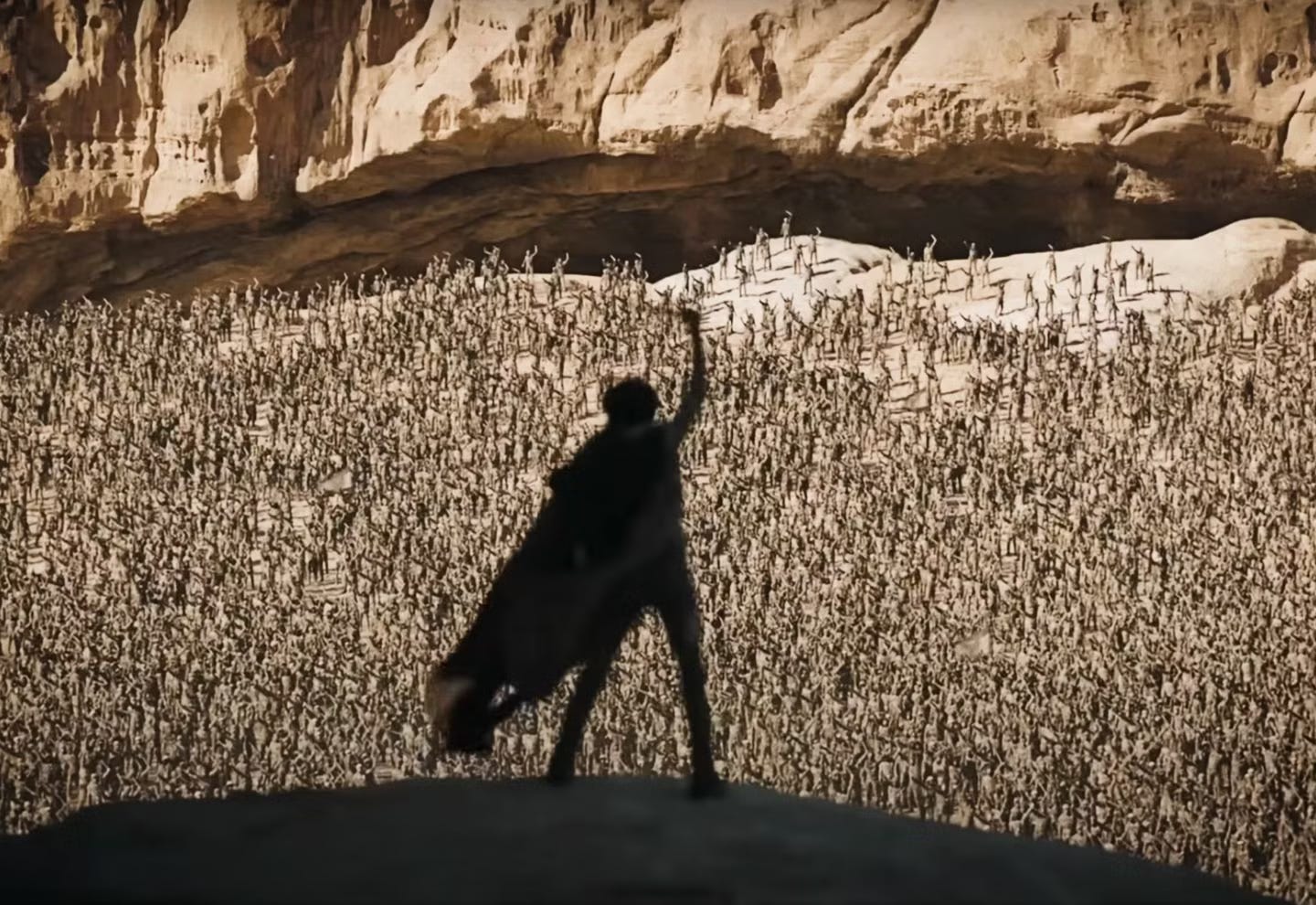
Mao Zedong rallying the hill tribes of Zomia for the Red cause. Oil painting
In China, Communism absolutely does come from the hills, and I, a hillman, will lead the hillsmen for the Red cause. All of that, however, may be difficult for our contemporaries to see, because the original context of the statement (struggle for power in the Communist party) is now long bygone, and semi forgotten. So, his purely tactical, instrumental statements, are now seen as the statements of some deep theoretical truth.
Which they are not